Skip to main content
The message from this report is a positive one for our community: well intervention is delivering measurable, cost-effective results for UK energy production, and there is more opportunity ahead

Well Interventions Deliver 16 Million Barrels: What the NSTA's Findings Mean for the Intervention Community
The North Sea Transition Authority's newly published 2026 Wells Insight Report has confirmed what those working in well intervention already know first-hand: reinstating shut-in wells is one of the most cost-effective ways to boost UK Continental Shelf production, and the people who carry out that work are central to the North Sea's energy future.
According to the report, 56 wells were successfully reinstated in 2025, adding an extra 16 million barrels of oil equivalent to UK production. Just as encouraging, the cost of that work is falling. The cost per barrel added through intervention dropped from £9.60 in 2024 to £7.60 in 2025, with 398 interventions carried out across the year.
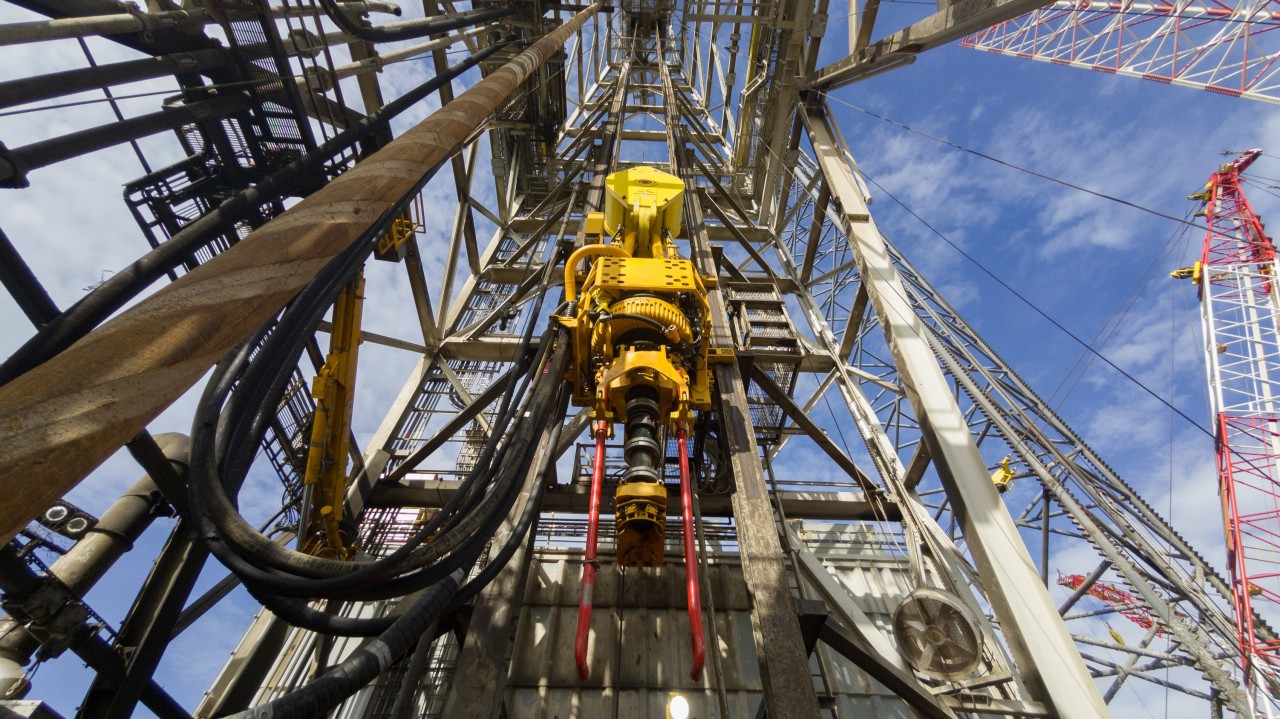
For ICoTA and our members, these numbers matter. Well intervention including coiled tubing operations sits at the heart of this reinstatement activity. Every barrel added through a reinstated well represents a well intervention crew, engineers, and support teams applying the skills, equipment, and technical judgement that our industry has spent decades refining.
A story of opportunity as much as achievement
The report also points to what's still ahead. Of the UKCS's 2,298 wells, 558 remain shut-in. While a proportion will ultimately be decommissioned, the NSTA has been clear that a meaningful number still hold genuine potential to be brought back on stream. That represents a substantial pipeline of future intervention work, provided the industry has the people and expertise ready to deliver it.
That caveat is an important one. The NSTA's own commentary flagged a drop in the total number of interventions carried out, along with a decline in exploration and appraisal drilling and rising rig costs. Taken together, these trends raise real questions about whether the sector is retaining the skills and capacity it will need to capitalise on the reinstatement opportunity in front of it.
Why this matters for the intervention community
This is exactly the challenge ICoTA exists to help address. As rig costs rise and operators become more selective about where they commit capital, the value of efficient, well-executed interventions only increases. Skilled coiled tubing and well intervention professionals are not a nice-to-have in this environment, they are the difference between a shut-in well staying offline and a well safely and economically returned to production.
The wider drilling picture reinforces the same message. Development drilling held broadly steady in 2025, with 38 wells drilled and £1.6 billion invested, while total drilled length actually increased year-on-year. But exploration and appraisal activity slowed, with only three appraisal wells drilled and no new exploration wells. The NSTA forecasts a pick-up from 2026 through 2028, with 32 exploration and appraisal wells expected across those years, concentrated in the Central North Sea, Southern North Sea and East Irish Sea, Northern North Sea, and West of Shetland.
ICoTA's role going forward
As the industry works to close the skills gap the NSTA has highlighted, ICoTA remains committed to supporting the professionals who make well intervention work possible, through technical knowledge-sharing, professional development and connecting the next generation of engineers and operators with the experience already in the industry.
The message from this report is a positive one for our community: well intervention is delivering measurable, cost-effective results for UK energy production, and there is more opportunity ahead. Our job now is to make sure the skills and people are in place to seize it.
*ICoTA thanks the NSTA for its continued engagement with industry on this important issue and looks forward to supporting operators and the supply chain as they work to unlock the UKCS's remaining reinstatement potential.